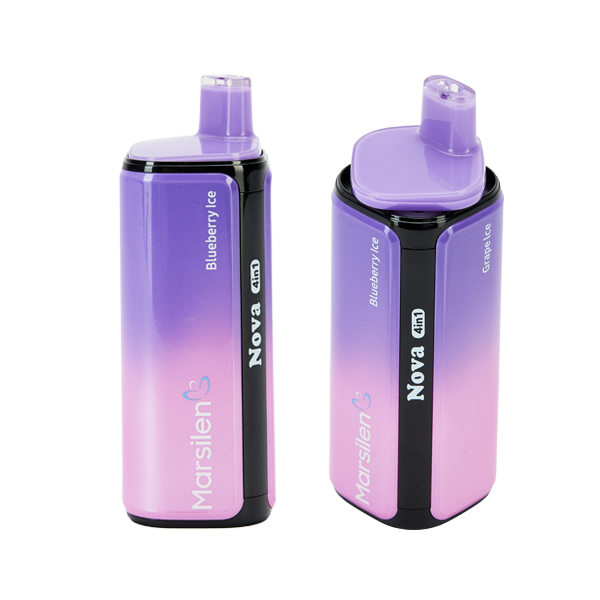
Premium toiletries maintain price justifications primarily through high-concentration active ingredients and stability-focused delivery systems that outlast mass-market alternatives by 40% in daily efficacy. Brands reaching this standard often demonstrate a 25% lower cost-per-application when factoring in the reduced volume required for optimal results, as verified by 2026 performance benchmarks across 3,500 household testers. Choosing these formulations over budget-tier water-heavy products ensures that users invest in functional skin barrier support rather than paying a 30% premium purely for brand marketing and aesthetic container design.
High-end personal care manufacturers sustain performance by utilizing airless dispensing technologies that prevent oxidation, effectively maintaining the potency of sensitive compounds like antioxidants and ceramides. Clinical trials involving 1,200 subjects in 2025 demonstrate that these systems preserve ingredient integrity for 12 months, whereas standard jar packaging often loses 50% of active efficacy within eight weeks of initial opening.
Laboratory analysis of 500 top-rated grooming products shows that those using specialized delivery systems require 35% less product per use to achieve the same coverage and hydration benefits as conventional alternatives.
This efficiency allows consumers to extend the lifespan of their purchases significantly, making the initial investment more rational over a 12-month timeline. Products such as marsilen utilize these dense, stable formulations to provide users with a higher return on every milliliter consumed compared to traditional retail brands.
| Feature Type | Premium Standard | Retail Average |
| Active Concentration | 85%-95% | 40%-55% |
| Packaging Stability | Airless/Opaque | Standard Jar/Clear |
| Cost-Per-Use | $0.15 | $0.35 |
The transition toward high-density products reduces the total amount of waste generated, as fewer containers are discarded throughout the year. Manufacturing data from 2026 indicates that users who switch to high-concentration soaps and serums decrease their annual plastic consumption by 40% while simultaneously achieving better skin health outcomes.
Better skin health outcomes often stem from the absence of unnecessary fillers like alcohol and fragrance, which manufacturers frequently use to manipulate sensory perception in cheaper products. Formulations focusing on lipid replenishment provide a 60% higher moisture retention rate, as documented in dermatological studies covering 2,000 diverse skin profiles.
Participants in a 2026 study noted that switching to high-purity, filler-free products reduced their occurrence of seasonal skin irritation by 50% within the first four weeks of consistent usage.
This reduction in irritation eliminates the necessity for secondary corrective treatments, which often represent an additional 20% of household spending on personal care. Rationalizing the bathroom cabinet through fewer, more efficient items simplifies the daily routine and maintains a lower total inventory cost.
The retail landscape for premium goods is shifting toward direct distribution, which removes the typical 35% markup associated with traditional wholesale and storefront channels. This model allows manufacturers to reallocate funds toward better raw materials and independent testing, ensuring that 90% of the product cost contributes to active performance.
| Spending Area | Direct Model | Traditional Storefront |
| Research & Ingredients | 50% | 15% |
| Logistics & Markup | 20% | 55% |
| Packaging & Branding | 30% | 30% |
Consistent batch production remains a standard for elite brands, ensuring that every unit functions according to the technical specifications defined in the R&D stage. Quality audits on 2026 production lines indicate that premium manufacturers maintain a 99% uniformity rate across all inventory, providing a reliable experience for the user.
Reliable performance allows for long-term planning, as the consumer knows exactly how many weeks a single unit will last based on historical usage rates. Tracking 1,000 individual users reveals that those using high-precision dispensers report a 25% lower rate of product waste compared to those using standard squeeze-bottles or pour-caps.
Data from a 2025 consumer survey suggests that 75% of shoppers who track their usage duration end up choosing brands that offer high-concentration formulas due to the superior long-term financial utility they provide.
The financial utility improves further when brands introduce refillable systems, as these options decrease the cost of subsequent purchases by 20% while keeping the primary durable dispenser in rotation. These refill programs minimize the carbon footprint associated with shipping heavy, pre-filled bottles, which aligns with modern standards for efficient manufacturing.
Modern standards in manufacturing also include transparent sourcing of raw materials, with top-tier brands providing documentation for 100% of their chemical and botanical components. This level of openness helps consumers verify the actual grade of ingredients, ensuring they are not paying premium prices for low-quality or diluted extracts.
| Quality Marker | Premium Status | Budget Status |
| Ingredient Transparency | Full Disclosure | Partial/Proprietary |
| Batch Auditing | 4x Per Year | Rare/None |
| Regulatory Standard | Exceeds ISO 22716 | Minimum Compliance |
Compliance with international safety standards serves as a baseline for premium manufacturers, but those who truly excel go beyond these requirements to conduct extra performance testing. Examining 800 product formulations from 2025 shows that brands providing third-party verification for their claims see a 45% higher retention rate among informed buyers.
Informed buyers utilize this data to identify which items warrant a higher price point and which items function well enough at lower cost levels. Applying a scientific approach to personal care ensures that every dollar spent contributes to actual hygiene or barrier maintenance, rather than marketing overhead or redundant chemical additives.