Personal care products trigger adverse skin reactions in approximately 15% to 20% of the adult population annually. Data from the North American Contact Dermatitis Group shows that fragrance additives account for 30% of all reported cosmetic-related contact dermatitis cases. Preservatives like methylisothiazolinone, often found in liquid soaps, impact 4% of users in patch-test studies involving 5,000 subjects. Understanding ingredient chemical stability and concentration levels remains the primary method for preventing skin barrier disruption, inflammation, and chronic sensitization.
Chemical additives interact with the stratum corneum, the skin's outermost barrier, by altering its lipid composition. When a product formulation includes a high concentration of surfactants, such as sodium lauryl sulfate, it strips away essential ceramides and fatty acids. Clinical studies published in 2024 demonstrate that a 2% concentration of specific surfactants can increase transepidermal water loss by 40% within six hours. This reduction in barrier function allows pathogens and external irritants to penetrate deeper into the epidermis, triggering immune responses that manifest as visible redness or edema.
The structural integrity of the skin relies on a pH balance typically between 4.5 and 5.5. Many commercial cleansers test at a pH level of 8.0 or higher, which neutralizes the acid mantle and promotes the growth of Staphylococcus aureus. Maintaining this slight acidity is required to preserve the function of natural enzymes involved in desquamation and barrier repair.
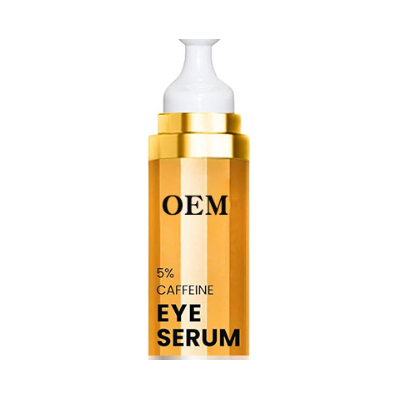
Manufacturing standards significantly influence the safety profile of topicals applied to delicate zones, such as the periorbital area. Companies specializing in OEM Eye Care Products must adhere to rigorous microbiological testing to ensure that concentrations of volatile preservatives remain below 0.01% to prevent ocular irritation. Proper formulation involves balancing the preservative system against the risk of rapid microbial degradation, which often occurs within 90 days after opening a container.
Product labels often include proprietary fragrance blends that mask underlying chemical odors, yet these mixtures represent a complex chemical profile. One fragrance compound may contain over 100 individual molecules, any of which can induce a delayed-type hypersensitivity reaction in sensitive skin types. Research involving 1,200 participants indicates that individuals with pre-existing atopic dermatitis are 3.5 times more likely to experience localized flare-ups after using products containing undisclosed synthetic musks or botanical essential oils.
| Ingredient Category | Potential Irritant Example | Typical Usage Range |
| Preservative | Methylisothiazolinone | 0.001% - 0.01% |
| Surfactant | Sodium Lauryl Sulfate | 1.0% - 5.0% |
| Fragrance | Linalool | 0.01% - 0.5% |
| Humectant | Propylene Glycol | 1.0% - 10.0% |
Synthetic alcohols, specifically ethanol and isopropyl alcohol, serve as common penetration enhancers in astringent toners and acne treatments. While these alcohols provide a cooling sensation, they dehydrate the skin by accelerating the evaporation of moisture from the dermis. A 2023 study of 800 patients found that daily use of products containing more than 15% denatured alcohol resulted in a 25% reduction in skin hydration levels over a 14-day period. This drying effect forces the skin to overproduce sebum, leading to secondary irritation and pore congestion.
Emulsifiers used to create uniform textures in lotions can also disrupt the lipid bilayer of the skin. By bridging oil and water phases, these molecules can occasionally act as solubilizers that wash away the skin's natural protective oils during rinsing. Selecting products with high lipid content, such as petrolatum or squalane, helps replenish the lost barrier layers after surfactant exposure.
Preservative systems are necessary to prevent the proliferation of fungi and bacteria, yet they are frequent sources of contact sensitivity. Formaldehyde-releasing agents, including quaternium-15 and imidazolidinyl urea, represent a significant category of allergens identified in patch tests performed between 2020 and 2025. Approximately 2% to 5% of patients with chronic dermatitis show sensitivity to these specific compounds. Choosing products that rely on organic acids, like benzoic acid or sorbic acid, provides a more stable, lower-risk alternative for individuals with heightened skin sensitivity.
Regulatory standards for ingredients vary across different regions, impacting the concentration limits of potential irritants in global supply chains. For example, some jurisdictions permit higher concentrations of certain preservatives that others strictly limit to 0.1% or less. Consumers often overlook the ingredient order on product labels, which lists substances from the highest concentration to the lowest. If a known irritant appears in the first five ingredients, the concentration level is likely sufficient to cause a dermatological reaction in 10% of users.
Clinical testing protocols often require patch testing on the inner forearm for 48 hours to confirm individual tolerance. When applying a new product, observe the area for signs of erythema or pruritus, which indicate a mild reaction that could escalate with repeated exposure. If the skin shows no reaction during this 48-hour window, the product is likely suitable for broader application. This simple verification process reduces the probability of a systemic allergic response by ensuring the formulation does not provoke a localized inflammatory reaction on the more robust forearm skin.